Turn a covered patio into a real room
Screens help control bugs, glare, wind, privacy, and afternoon heat while keeping the open-air feel that makes a patio worth having.
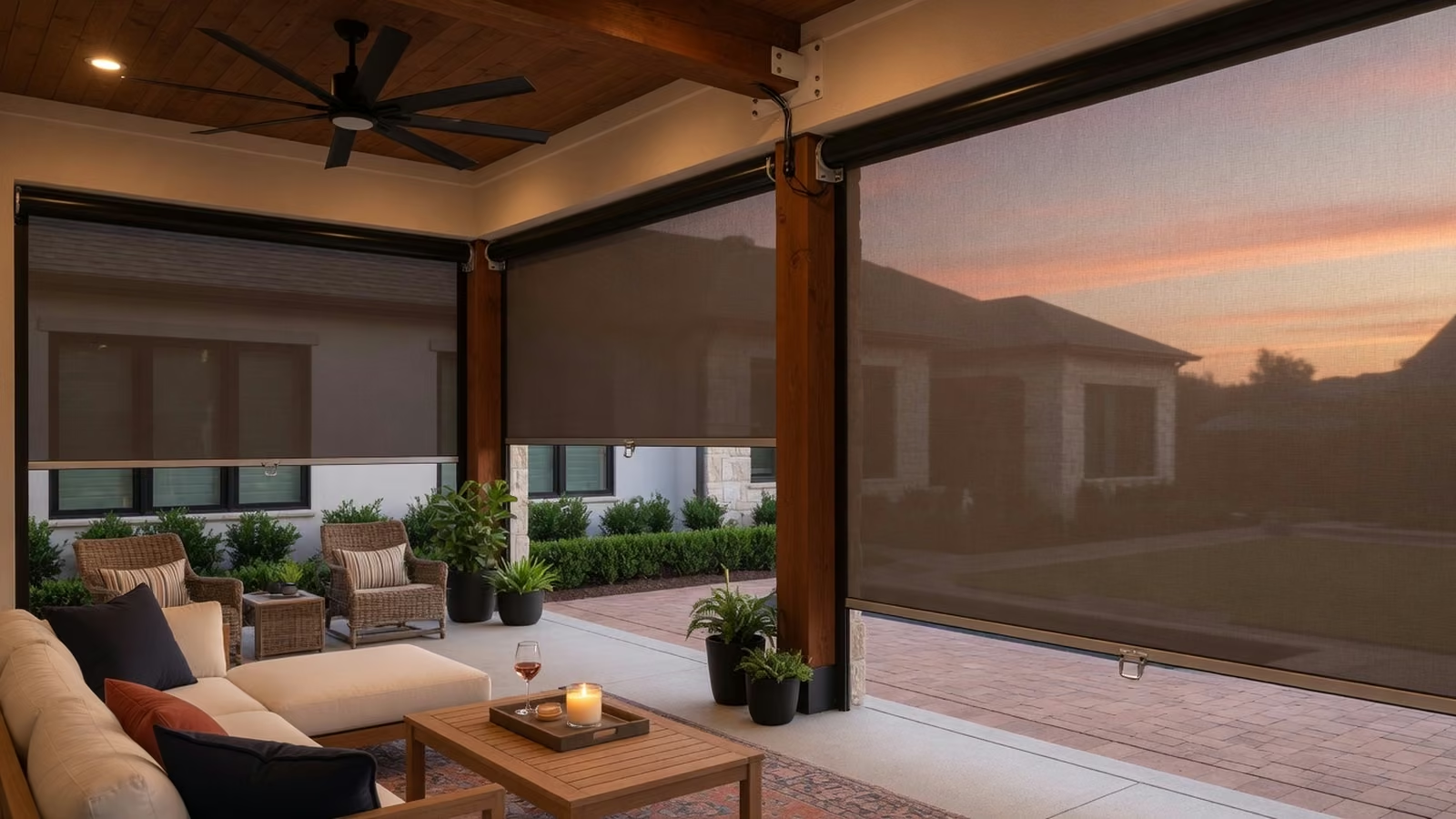
Privacy, shade, and bug control
Motorized screens, patio screens, and enclosure options that make covered spaces more comfortable. Planned with the home, the site, and North Texas weather in mind.
What matters
The recommendation is matched to the site, exposure, and structural conditions.
Material, finish, and maintenance tradeoffs are considered before a direction is selected.
Clearances, circulation, and surrounding features shape the final layout.
The details are coordinated early so the finished project feels intentional.
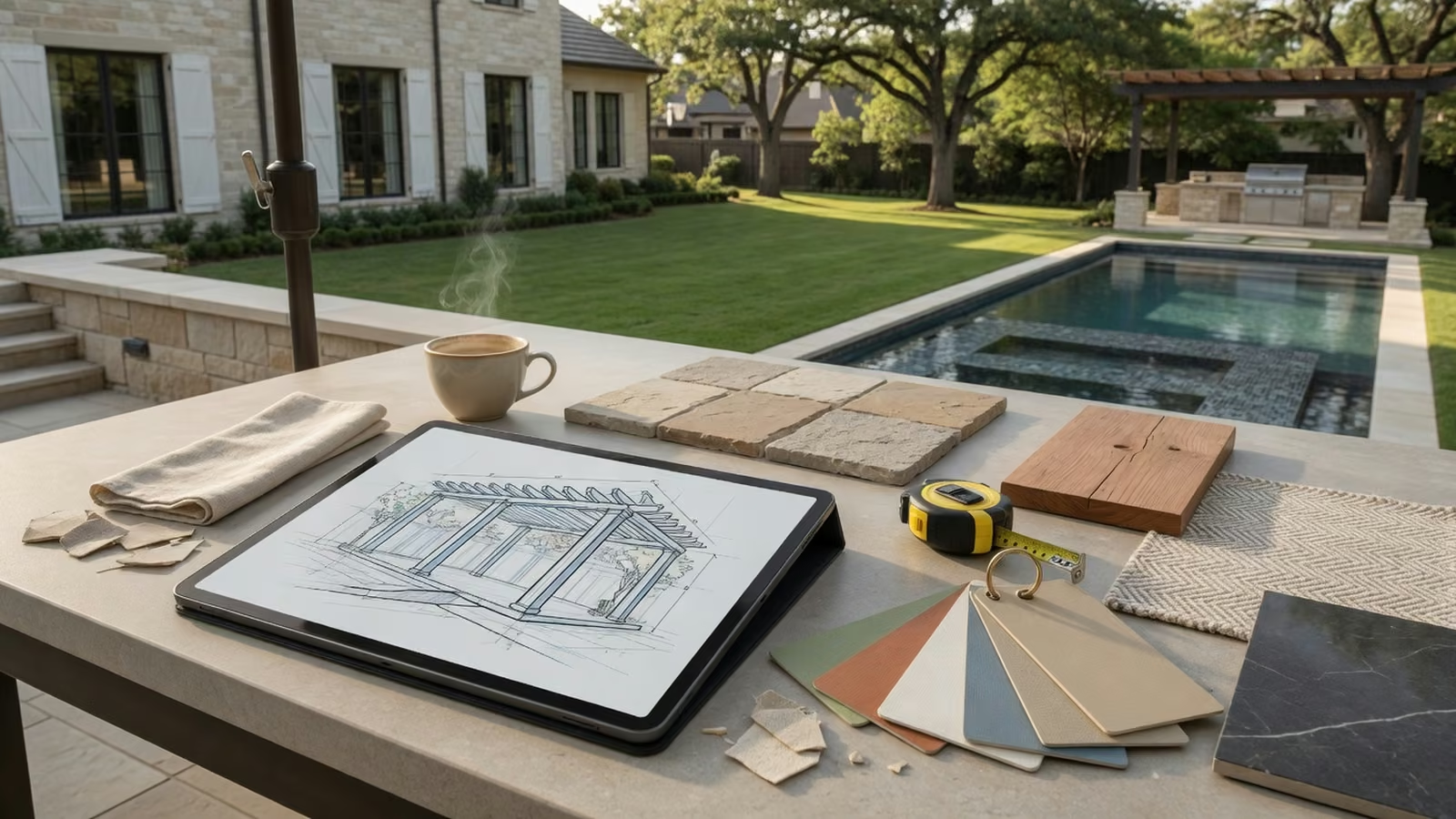
Screens help control bugs, glare, wind, privacy, and afternoon heat while keeping the open-air feel that makes a patio worth having.
Push-button screens are clean, quiet, and easy to live with — especially when the patio gets used often.
Screens work best when columns, tracks, openings, furniture, and sightlines are considered early.
Planning guide
Screens can solve several different problems: low-angle sun, insects, glare, privacy, wind, or a patio that feels too exposed. No single fabric maximizes every benefit. Openness, color, track design, opening size, and placement change the balance between view, airflow, shade, and enclosure.
Fixed screens make sense when bug control and a consistently enclosed room are the priority. Retractable or motorized systems are better when you want the patio open at some times and protected at others. Existing covers can often be screened when their openings and mounting surfaces are suitable.
Tighter fabrics improve privacy and solar control while more open fabrics preserve breeze and outward visibility.
Columns, doors, corners, mounting surfaces, and floor conditions determine how completely the enclosure can close.
Traffic paths, pets, furniture, grill zones, and frequently used doors should remain practical when screens are down.
Before the quote
The right design comes from the property, exposure, intended use, and practical constraints. These are the conversations worth having before size and finish are finalized.
Fixed screening creates a consistently enclosed room and can work well when bug control is the primary goal. Retractable and motorized screens preserve the open patio when protection is not needed, then lower for glare, insects, or privacy. The choice depends on opening size, mounting surfaces, electrical access, desired view, budget, and how often the homeowner wants the space fully open.
A tighter fabric can improve solar control and daytime privacy but may reduce airflow and make the room feel darker. More open fabric preserves breeze and outward visibility while providing less protection from glare or small insects. Darker and lighter colors also change reflectivity and view-through. Samples should be evaluated against the actual exposure instead of chosen from a catalog alone.
Screen systems have to work around patio doors, columns, steps, corners, pets, grills, and furniture. Tracks and thresholds should be placed where they do not create awkward trip points or interrupt common walking paths. Frequently used exits need intuitive hardware and enough clear space. Good enclosure planning makes the room easier to use whether the screens are open or closed.
Adding screens does not fix a leaking roof, unstable column, poor drainage path, uneven floor, or unsuitable mounting surface. Existing patio covers should be reviewed before openings are enclosed so the screen system does not hide or complicate a structural or water-management problem. Addressing those conditions first usually produces a cleaner installation and a more dependable outdoor room.
Prepare for a useful estimate
Photos, rough dimensions, and a short list of priorities make the first conversation more useful. Final recommendations still depend on the actual site.
Rank the problems instead of asking one screen to maximize everything. A fabric selected for strong privacy and solar control behaves differently from one chosen to preserve airflow and an outward view, especially across wide west-facing openings.
Photograph columns, beam pockets, corners, steps, doors, thresholds, outlets, and the floor line. Those details determine whether fixed panels, retractable sections, added framing, or a mixed enclosure will operate cleanly without interfering with daily traffic.
For material and finish tradeoffs, review the materials guide. For roof form, shade pattern, and attached-versus-freestanding decisions, compare structure styles.
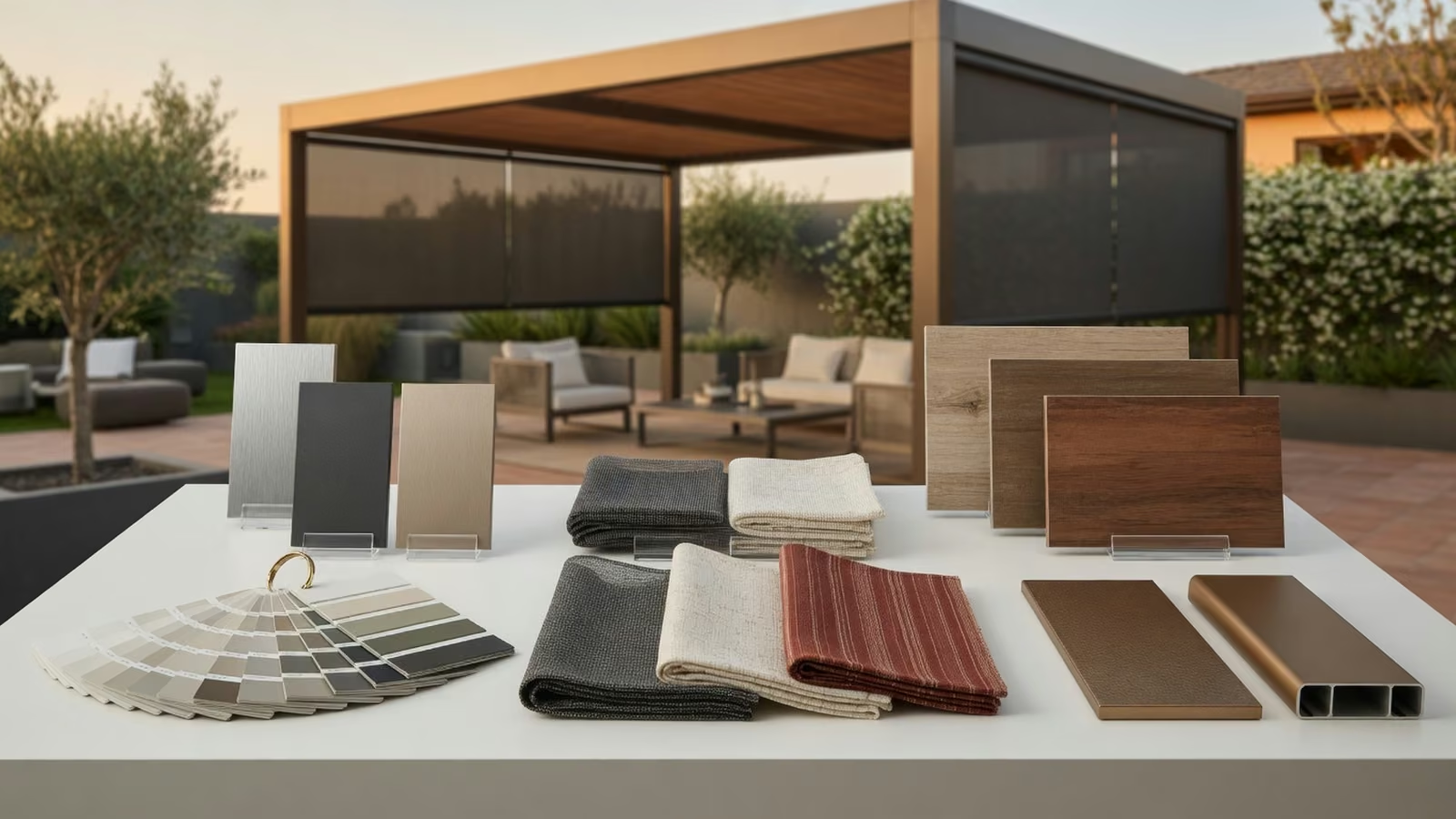
Finish details
Column style, beam finish, screen fabric, roof profile, and color selection all shape whether a shade structure feels premium or bolted on. The design conversation should make those choices easier, not more confusing.
Questions
Screen openness controls how much view, breeze, privacy, and sun protection you get. We help match the fabric to the goal.
Often, yes, depending on the openings, structure, and mounting conditions.