Comfort without giving up the patio
Motorized screens help a covered patio feel more usable in the afternoon, at dinner, and during bug season while keeping the outdoor feel.
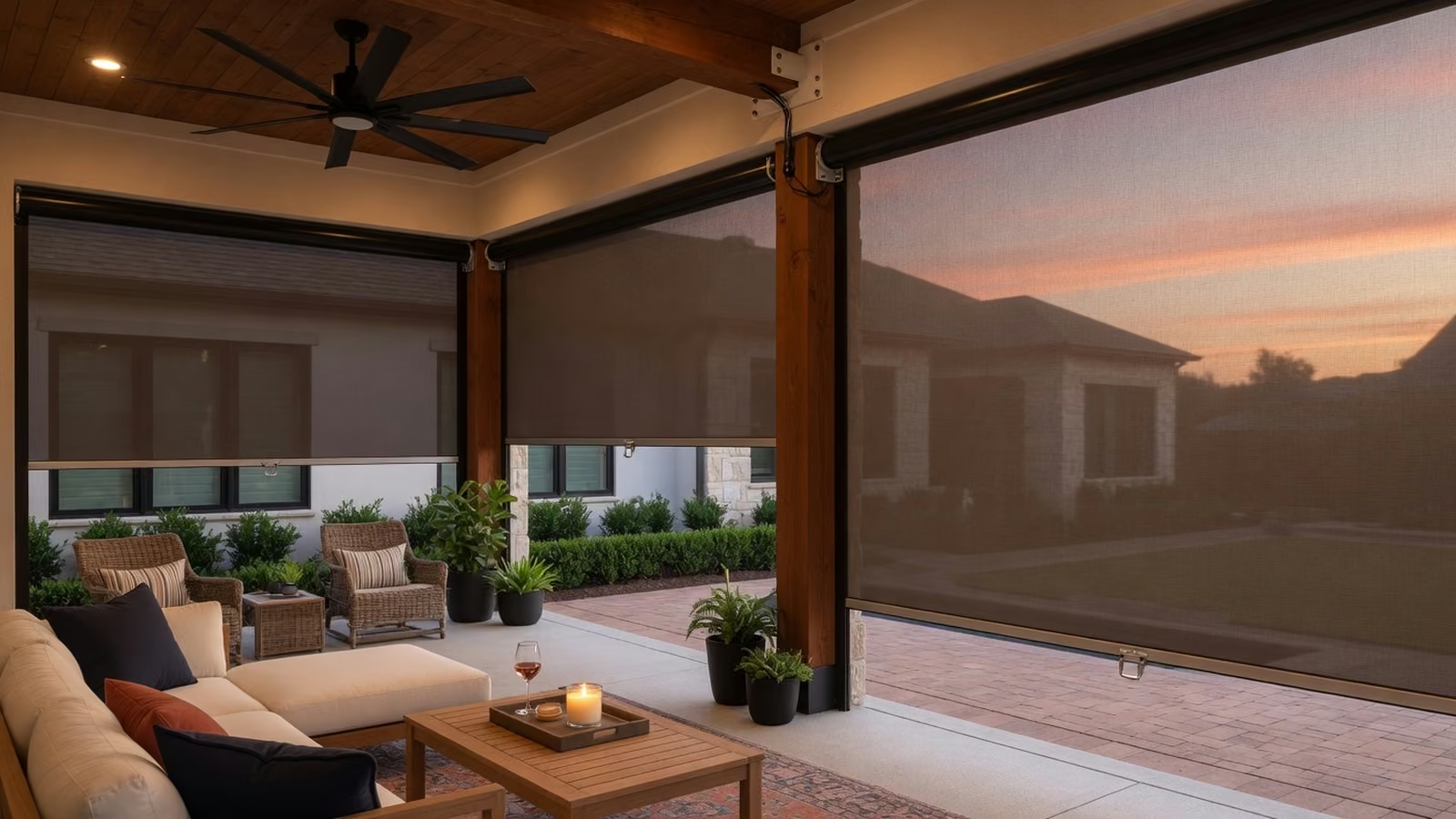
Push-button shade and privacy
Motorized patio screens that add privacy, bug control, glare reduction, and shade without closing off the outdoor room. Planned with the home, the site, and North Texas weather in mind.
What matters
The recommendation is matched to the site, exposure, and structural conditions.
Material, finish, and maintenance tradeoffs are considered before a direction is selected.
Clearances, circulation, and surrounding features shape the final layout.
The details are coordinated early so the finished project feels intentional.
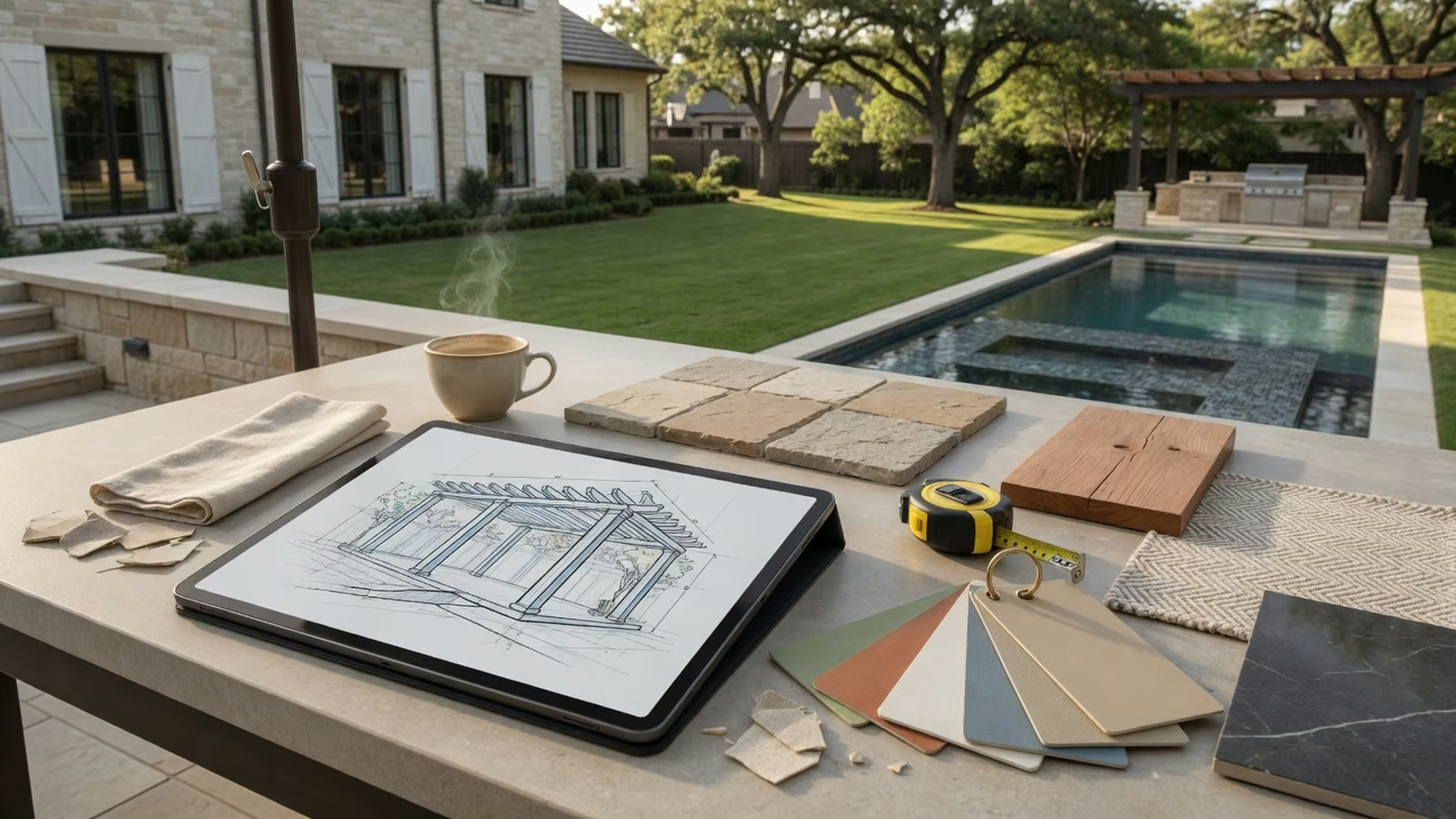
Motorized screens help a covered patio feel more usable in the afternoon, at dinner, and during bug season while keeping the outdoor feel.
Openness, color, and exposure change how much privacy, view, airflow, and UV protection the screen provides.
Screens look cleaner when posts, openings, furniture, wiring, and controls are considered before installation.
Planning guide
Motorized screens are most convincing when they disappear cleanly when raised and close without awkward gaps when lowered. That requires enough room for the housing, straight mounting surfaces, coordinated tracks, a practical power path, and fabric selected for the direction of the sun.
Motorized screens fit covered patios that need flexible protection from afternoon glare, mosquitoes, and neighboring views without becoming permanently enclosed. They can also complement pergolas or solid covers when overhead shade does not block low-angle sun.
Fabric color and openness determine heat control, daytime privacy, outward view, and how bright the patio feels.
Beam depth, columns, corners, floor level, and clear openings affect whether the system can look built in.
Switch, remote, sensor, and smart-control preferences should be discussed along with wind and storm operating limits.
Before the quote
The right design comes from the property, exposure, intended use, and practical constraints. These are the conversations worth having before size and finish are finalized.
Housing depth, beam size, columns, corners, tracks, floor level, and electrical access determine whether a motorized screen can look integrated. New patio covers offer the cleanest opportunity to plan those elements together. Existing structures can often accept screens, but the mounting surfaces and clear opening should be reviewed before assuming every gap can disappear.
A west-facing patio with severe glare may need a different openness and color than a shaded porch where mosquitoes are the main concern. Tighter fabrics improve solar control and privacy but reduce airflow and outward visibility. More open fabrics retain the view and breeze while providing less glare and insect protection. The best sample is the one viewed at the actual patio.
Wall switches, handheld remotes, app control, and compatible automation can all be useful, but the simplest reliable control is often the best fit. Power routing should be coordinated before finish work. Homeowners also need a clear understanding of wind, storms, obstacles, and when the screen should be raised rather than treated as a fixed weather barrier.
A lowered screen changes how people move through the patio. Common exits, grill zones, pet access, furniture backs, steps, and pool traffic should stay practical. Wide openings may need multiple sections instead of one oversized screen. Planning those daily movements prevents tracks, thresholds, and screen edges from becoming the thing everyone has to work around.
Prepare for a useful estimate
Photos, rough dimensions, and a short list of priorities make the first conversation more useful. Final recommendations still depend on the actual site.
Locate nearby power, decide whether wall switches or remotes are most practical, and discuss compatible automation only if it solves a real need. A clean wiring route and simple daily control matter more than stacking features that will rarely be used.
Motorized screens control sun, glare, privacy, and insects, but they are not fixed storm barriers. Wind exposure, obstacles, pets, furniture, and the routine for raising screens during severe weather should be understood before opening sizes and fabric are finalized.
Mesh openness affects view, light, privacy, insect protection, and wind behavior. Side tracks, bottom seals, floor slope, columns, and irregular corners affect how well the system closes. A fabric sample cannot answer those installation questions without measurements and photos of each opening. Also note pets, furniture, planters, grills, and door swings that could enter the screen path during ordinary use.
For material and finish tradeoffs, review the materials guide. For roof form, shade pattern, and attached-versus-freestanding decisions, compare structure styles.
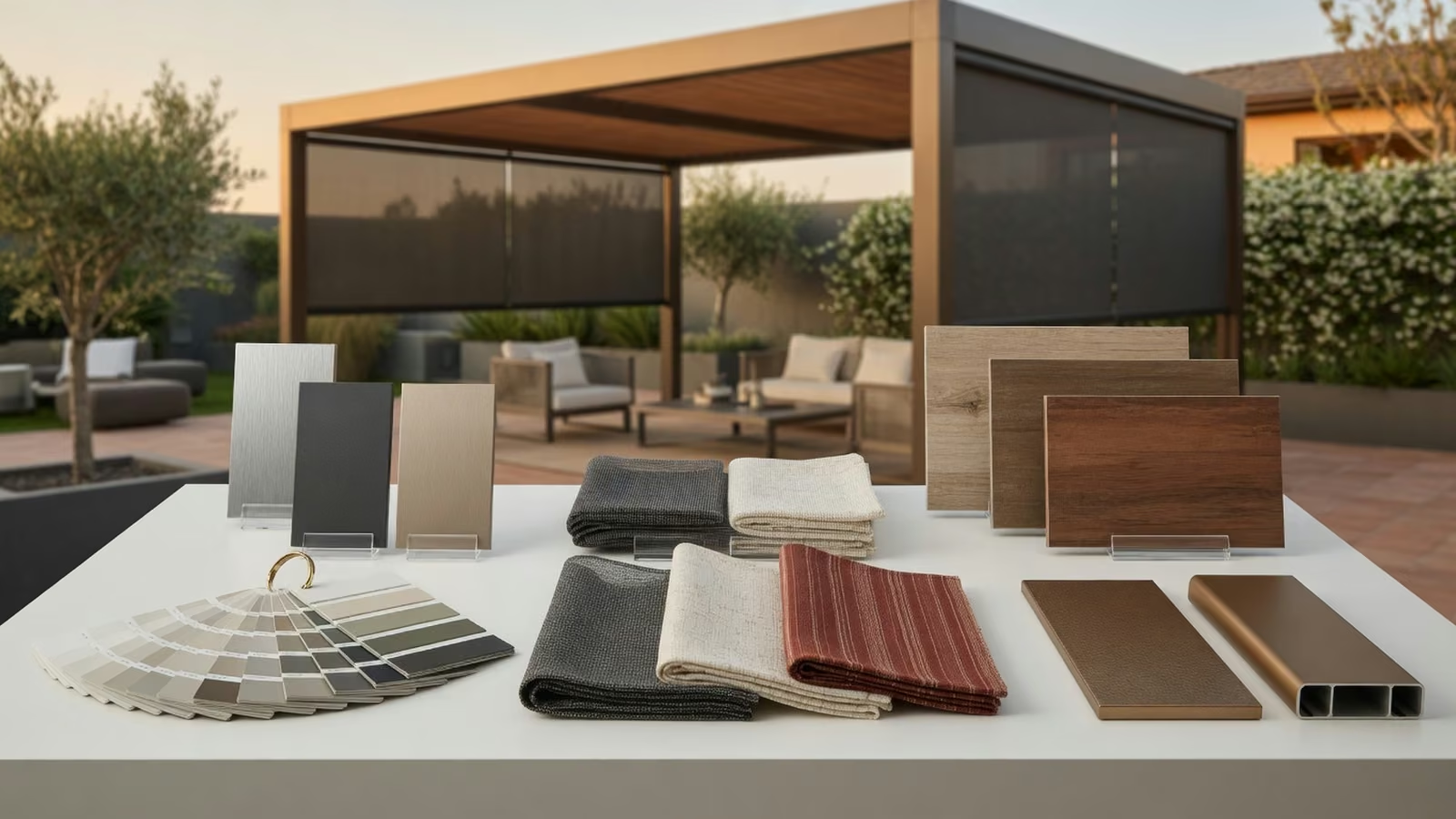
Finish details
Column style, beam finish, screen fabric, roof profile, and color selection all shape whether a shade structure feels premium or bolted on. The design conversation should make those choices easier, not more confusing.
Questions
Often, yes. The opening size, mounting surfaces, wiring path, and structure condition determine the best approach.
They can reduce wind while still allowing airflow. Fabric openness controls the balance between privacy, breeze, shade, and view.