Aluminum & wood-look systems
Low-maintenance finishes can create the warmth of wood without the same rot, insect, and refinishing burden.
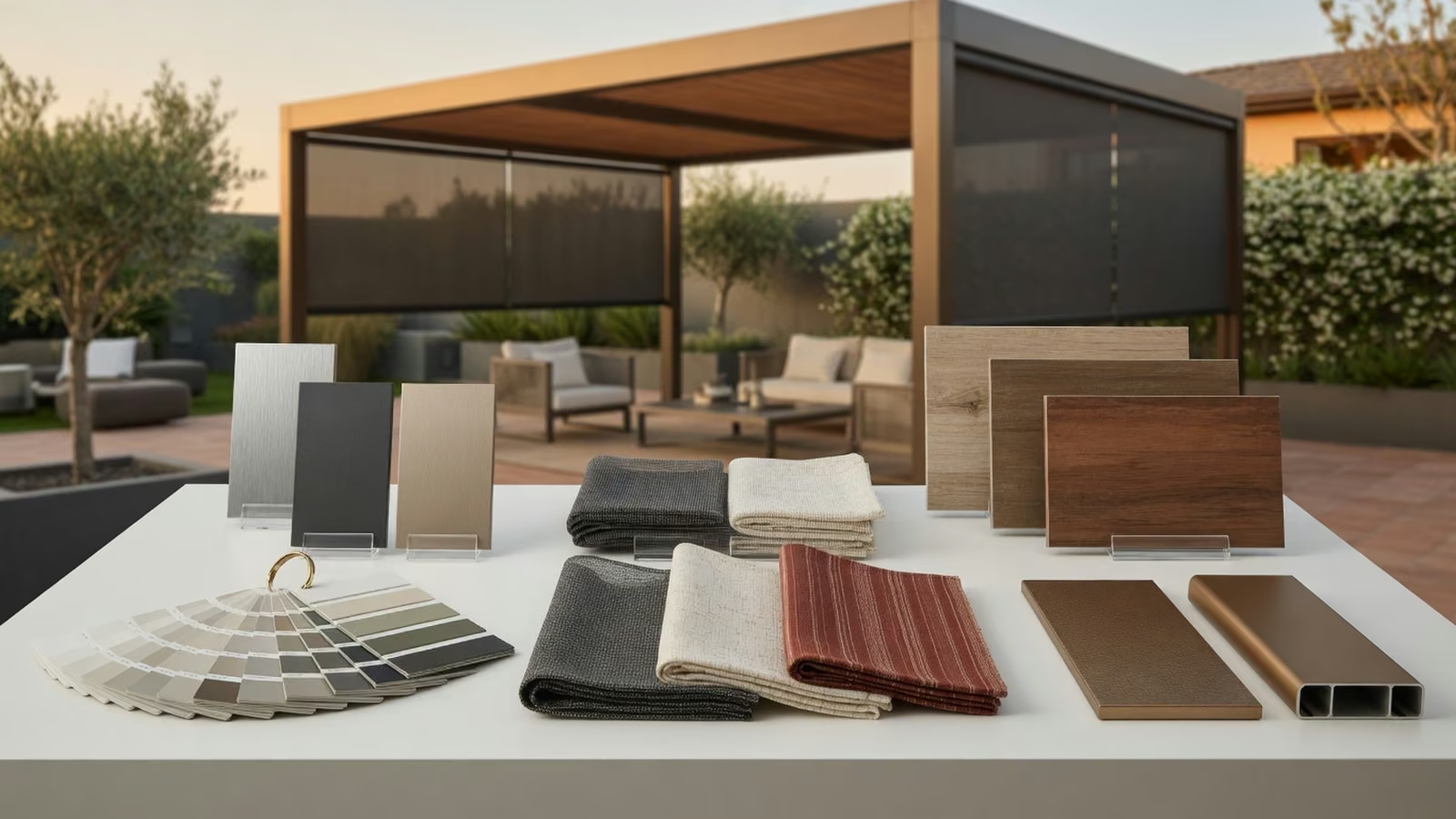
Materials & colors
Dallas heat is not kind to cheap materials. Material selection should balance durability, maintenance, shade performance, and how the structure fits the home.
Low-maintenance finishes can create the warmth of wood without the same rot, insect, and refinishing burden.
Wood can be beautiful for the right homeowner, but Dallas heat, sun, insects, and maintenance expectations need to be part of the decision.
Insulated and solid roof systems help with shade, rain protection, lighting, fans, and a true outdoor-room feel.
Openness, color, and placement affect privacy, airflow, glare, and view. The right screen depends on the exposure.
Bronze, white, clay, black, wood-look, and neutral finishes should be compared against the roof, brick, stone, trim, patio, and pool edge.
Fasteners, gutter details, posts, brackets, and beam profiles are small details that shape whether the project feels finished.
North Texas durability
Material performance depends on more than whether a sample is labeled aluminum, wood, insulated panel, or screen fabric. Gauge, span, coating quality, fasteners, attachment details, water management, and installation all affect how the structure handles heat, storms, movement, and years of exposure.
Maintenance expectations matter too. Natural wood can deliver warmth and character when the homeowner is comfortable with cleaning, sealing, and refinishing. Coated aluminum and wood-look systems trade some of that traditional material feel for more predictable upkeep. Solid panels, louvers, lattice, and screens each change daylight, airflow, rain coverage, and comfort differently.
We compare those tradeoffs against the home, budget, exposure, and intended use before narrowing colors and finish details. Review the established pergola and patio cover colors before confirming a physical sample for the selected system.
Finish palette
These established finish families provide a practical starting point for matching masonry, roof color, trim, paving, and landscape tones. Exact product availability and final color should be confirmed against a physical sample during the project conversation.





Design note
A homeowner should not be left guessing between random swatches. The material conversation should connect every finish choice to the existing home: roof color, masonry, trim, patio surface, pool edge, landscape tone, and how visible the structure is from the street.
Material decisions
The visible finish is only part of the decision. Structure, roof performance, connections, maintenance, and repair access determine how the project behaves after installation.
Aluminum systems can provide clean profiles, consistent factory finishes, and lower routine maintenance. Compare wall thickness, spans, fasteners, drainage details, finish warranty terms, and how replacement components are handled. Aluminum is not automatically maintenance-free; it still needs cleaning and inspection.
Wood-look coatings bring warmer color and grain without the same refinishing cycle as natural wood. Review full-size samples outdoors because pattern, sheen, and contrast can look different in direct Texas sun. Confirm how cut edges, fasteners, trim pieces, and future touchups will be finished.
Natural wood offers texture and character that coated systems do not duplicate, but exposure and upkeep matter. Species, grade, checking, movement, staining, sealing, insect risk, ground clearance, and the homeowner's willingness to maintain the finish should all be part of the comparison.
Solid panels, insulated roof systems, louvers, mesh, solar fabric, tracks, motors, gutters, and sealants each solve a different problem. Evaluate them for shade, rain, airflow, privacy, view, cleaning, wind exposure, controls, and compatibility with the primary structure.
Ask for a complete comparison
Bring photos of the house in sun and shade, plus close views of roof, trim, masonry, paving, windows, doors, gutters, and the proposed connection area. View finish samples beside those surfaces outdoors. Small swatches under indoor lighting can hide undertones, gloss differences, and grain contrast that become obvious across a full structure.
For each option, ask what is structural, what is decorative, how water moves, what cleaning is recommended, which parts may wear first, how motors or tracks are serviced, and what the written warranty actually covers. The right material is the complete system that fits the exposure, design, maintenance tolerance, and project scope.
Final product availability, engineering, color, and warranty terms must be confirmed for the selected system and property. Compare the complete finish-color palette in outdoor light before making the final selection.