Pergola design field guide
Quick take
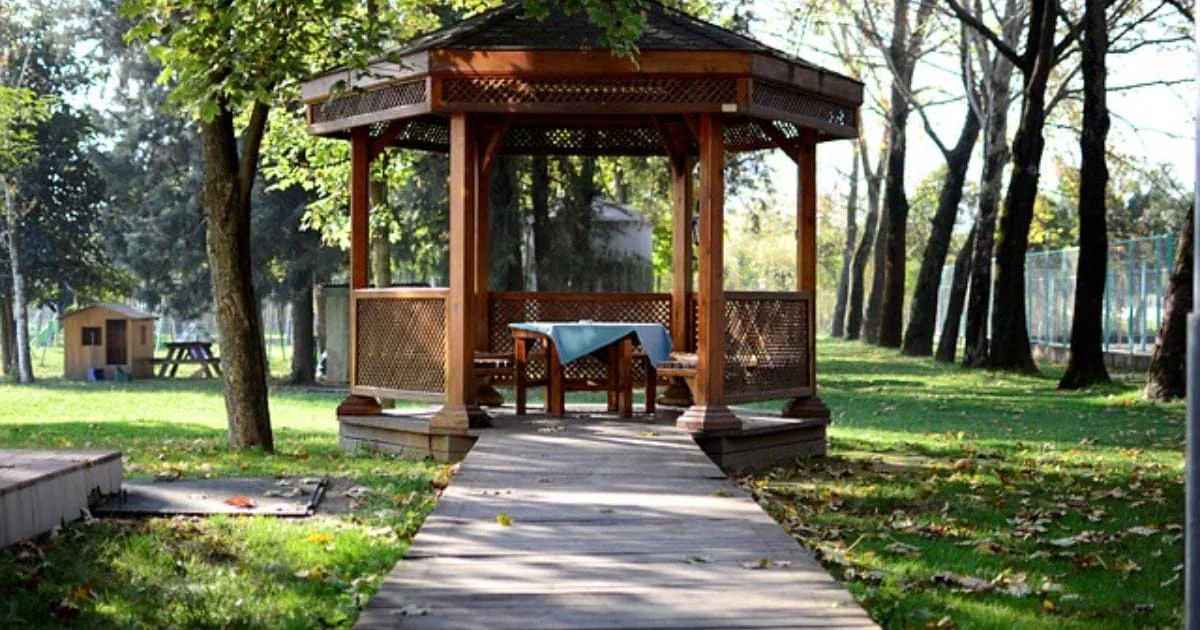
Personalize a pergola with weather-ready seating, adjustable shade, lighting, greenery, rugs, and details that make the outdoor room easier to use.
In this guide 7 sections
Once the pergola structure is in place, accessories determine whether it becomes an outdoor room people actually use. Seating, shade, lighting, plants, and finish details can make the space more comfortable without overwhelming the architecture. The best choices fit the exposure, maintenance expectations, and way the patio is used.
Create comfortable seating zones
Outdoor sofas and lounge chairs can turn one side of a pergola into a place for conversation and relaxing. Choose frames and cushions intended for outdoor exposure, then leave enough circulation around posts, doors, grills, and pool paths. A dining table can anchor another zone for meals and gatherings when the pergola footprint allows both uses comfortably.
Add flexible shade where it helps
Retractable canopies, awnings, curtains, or motorized screens can add protection when open rafters do not stop afternoon glare or low-angle sun. The right option depends on wind exposure, mounting surfaces, drainage, desired view, and whether the patio should remain open at other times. Shade accessories should be coordinated with the structure rather than attached as an afterthought.
Plan lighting for evenings
String lights can provide a relaxed atmosphere, while integrated fixtures offer a cleaner architectural look. Solar lanterns may work for accent light where wiring is impractical. Whatever the style, fixture locations, switches, power, fan clearances, and weather exposure should be considered before running visible cords across beams or common walking paths.
Use greenery without creating maintenance problems
Hanging plants and climbing greenery can soften the structure and add natural shade, but mature weight, irrigation, insects, leaf debris, and access for trimming matter. Select plants suited to the Dallas–Fort Worth exposure and place them where water and roots will not damage finishes or make the patio harder to clean.
Define the room with an outdoor rug
A weather-resistant rug can visually connect seating and make a large pergola feel more intentional. It should dry easily, sit flat, and avoid blocking drainage. Rug size should follow the furniture arrangement so chair legs stay supported and the edge does not become a trip point in the main traffic path.
Keep personal details coordinated
Pillows, wall art, planters, and seasonal decorations can make the space feel personal. A restrained palette tied to the home, structure finish, and landscape usually ages better than a collection of unrelated pieces. Leave room to change accents without permanently altering the pergola or covering important connections and hardware.
Build the accessories into the plan
Fans, screens, lighting, heaters, outlets, and hanging loads are easiest to coordinate before beam spacing and electrical paths are finalized. If you are planning a new pergola in Dallas–Fort Worth, share the accessories you want during the design conversation so the finished structure supports them cleanly and safely.