Screens and enclosures field guide
Quick take
Compare aluminum, wood, vinyl, screen mesh, roof panels, hardware, and finishes for a durable patio screen enclosure in Dallas–Fort Worth.
In this guide 11 sections
- First, what do you actually want from your enclosure?
- Frame materials that stand up in DFW
- Screen mesh options: not all “screens” are the same
- Roof and cover choices that change the feel
- Hardware, doors, and finish details that quietly matter
- The Dallas weather reality check
- Budget vs. lifespan: what pays off?
- Popular combos we install across DFW
- Permits, HOA, and code notes in North Texas
- A simple path to the right materials
- Ready to plan your own screened space?
Choosing the right Materials for a patio screen enclosure can feel like a lot—especially with Texas sun, spring storms, and, yes, mosquitoes that don’t quit. Here’s the thing: the right choices up front mean less fuss later and more time outside. At Dallas Pergola Company , we help DFW homeowners build spaces that look great, breathe easy, and hold up through August heat and surprise hail.
First, what do you actually want from your enclosure?
Before picking materials, get clear on the “why.” A little planning narrows the field and saves you money.
- Beat the heat: Want deeper shade, cooler temps, and less glare? Materials can block UV and drop the feel by several degrees.
- Stop the bugs: If mosquitoes, wasps, and “no-see-ums” bug you (they bug everyone), tighter mesh or micro-mesh helps.
- Add privacy: Darker or solar screens soften sight lines without closing you in.
- Handle pets and kids: Tougher mesh and stronger frames stand up to paws, balls, and the occasional tackle.
- Rain or shine use: An insulated roof lets you enjoy summer rain without the sauna effect.
- HOA and curb appeal: Color and finish matter; a clean bronze or black frame often vanishes against brick.
You know what? A quick wish list like this keeps your choices focused—and your budget honest.
Frame materials that stand up in DFW
Your frame is the backbone. It takes the sun, the wind, and the wear. Here’s what works here, and why.
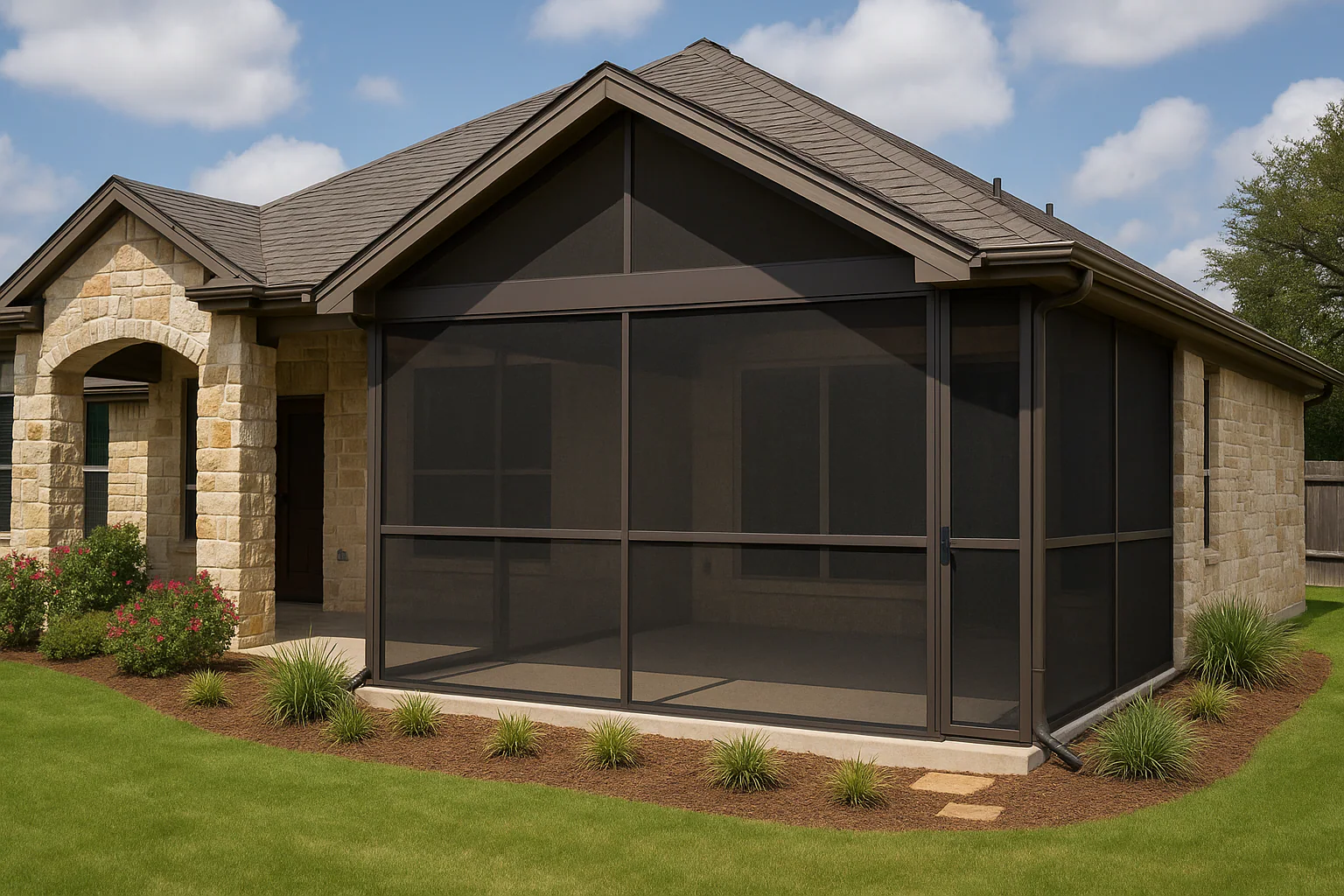
- Aluminum (the go-to in North Texas): Light, strong, and doesn’t rust. With a quality powder coat, it shrugs off sun and moisture. Great for modern and traditional homes. Ask about thicker-gauge extrusions and hurricane-rated connectors for wind resistance. Best pick for most patio screen enclosure projects.
- Steel (rare for residential screens): Very strong but heavy and prone to rust without constant care. Usually overkill for a backyard screen room.
- Wood (beautiful, but high-care): Cedar looks warm and classic and matches many Dallas homes. It needs sealing and maintenance, and wood frames can swell or twist with humidity. If you love wood, consider a hybrid: wood posts with aluminum screen walls.
- Vinyl/PVC: Low maintenance and budget-friendly. Less rigid in high heat, can fade or chalk over time. Fine for small spans.
- Composite: Stable and low care. Used more for trims and accents than full frames. Can be a nice color-match piece.
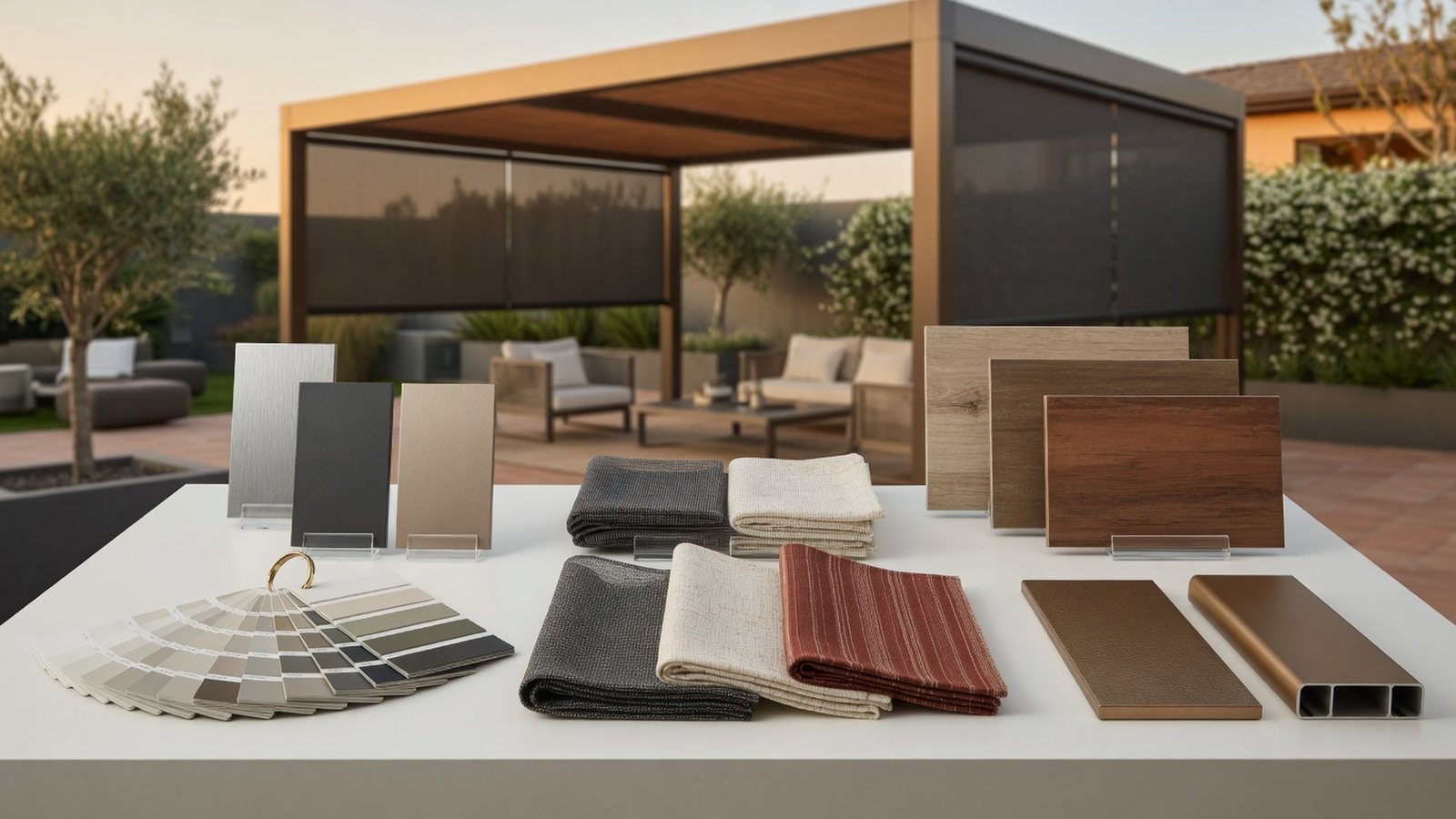
A note on finish: a high-grade powder coat resists fade and chalking. Bronze, white, and black are the standards. Bronze often “disappears” against brick and shade—there’s a reason you see it so often on screened patio Dallas projects.
Screen mesh options: not all “screens” are the same
Different mesh does different jobs. Here’s a quick look so you can compare without guessing.
- Screen Type — Best For — Watch-outs
- Fiberglass — Everyday use, budget-friendly, easy to replace — Can stretch or tear with pets or rough play
- Aluminum Mesh — Crisper look, holds shape, good airflow — Can crease; brighter finish can glare in full sun
- Pet-Resistant Polyester — Dogs, cats, kids; high-traffic doors — Slightly thicker weave reduces airflow a bit
- Solar Screen (UV Blocking) — Heat and glare control; some privacy — Darker look; less airflow and light
- Micro-Mesh/No-See-Um — Tiny bugs, spring pollen, lakeside yards — Reduced airflow; may need more cleaning
- Stainless (Specialty) — Extreme durability, coastal-level strength — Higher cost; overkill for most homes
Local tip: spring pollen and oak tassels can cake on standard mesh. Micro-mesh stops more of it but needs gentle rinsing more often. A simple hose-down from the outside works—no pressure washer, please.
Roof and cover choices that change the feel
A true screen room needs a top that handles sun and rain. Your choice shapes comfort more than anything else.
- Insulated Aluminum Roof Panels (2–3 inches): Our favorite for DFW. They reflect heat, stay quiet in rain, and can handle fans, lights, and gutters. Great hail resistance. Clean look that ties into most homes. Pairs well with an aluminum screen enclosure .
- Polycarbonate Panels (clear or tinted): Let light in while blocking UV. Nice for bright areas under trees. Can amplify sound in heavy rain; choose thick, hail-rated panels.
- Shingle-Tied Roof (framed to match your home): Seamless look if you want the screen room to feel like a true extension. Higher cost; permits and tie-in details matter.
- Pergola + Screen Walls (hybrid): If you already love your pergola, we can add side screening and a solid cover above. Best of both: shade pattern, airflow, and fewer bugs.
Little contradiction here: some folks want “all the light” and “all the shade.” We get it. A mix—like a bright gable end with insulated panels above seating—often nails both needs.
Hardware, doors, and finish details that quietly matter
The small pieces carry a big load in Texas weather.
- Stainless fasteners: Prevent streaking and rust marks on frames.
- Spline vs. cap-and-track: Spline is common and easy to re-screen. Cap-and-track systems hide edges and look sleek. Both are solid; cap systems stay tighter over long spans.
- Quality doors: Choose a heavy-duty, self-closing door with a wide sweep. Add a metal kick plate if you’ve got kids or pets.
- Thresholds and drainage: Low-profile thresholds reduce trips. Proper slope keeps rain out and the patio dry.
- Colors that hide dust: Bronze and black disguise North Texas dust better than bright white.
The Dallas weather reality check
North Texas throws the full calendar at your patio.
- Sun and UV: Fade is real. Good powder coat and UV-friendly screens last longer and look better.
- Wind and storms: We design for straight-line winds and surprise gusts. Heavier frames and solid anchoring keep you safe.
- Hail: Insulated aluminum roofs and thick polycarbonate handle hail better than thinner plastics.
- Clay soils: Footings and posts need smart foundations. We build for movement and drainage.
Cleaning is easy—hose the screens, soft brush if needed. A quick rinse every month or two keeps air flowing and pollen down. Re-screening is simple if life happens.
Budget vs. lifespan: what pays off?
Here’s a plain-English snapshot. Exact numbers depend on size and features, but the trend holds.
- Material/Component — Cost Level — Typical Lifespan
- Aluminum Frame + Quality Powder Coat — Medium — 20–30+ years
- Cedar/ Wood Frame (sealed) — Medium-High — 10–15 years with care
- Vinyl/PVC Frame — Low-Medium — 8–12 years
- Fiberglass Screen — Low — 5–7 years
- Pet-Resistant Polyester Screen — Medium — 10–12 years
- Solar Screen (UV) — Medium — 8–12 years
- Insulated Aluminum Roof — Medium-High — 25+ years
- Polycarbonate Roof (hail-rated) — Medium — 10–15 years
Big picture: aluminum frames plus insulated roofs cost more up front but win over time. Fewer repairs. Cooler space. Better daily use.
Popular combos we install across DFW
If you like Examples , these three “stacks” hit most needs.
- Good: Aluminum frame + fiberglass mesh + polycarbonate roof. Light, budget-aware, solid for everyday use.
- Better: Heavy-gauge aluminum frame + pet-resistant mesh + insulated roof + bronze finish. Cooler and tougher, looks sharp.
- Best: Aluminum frame with cap-and-track screening + solar mesh on sun side, standard mesh on shade side + 3″ insulated roof with recessed fan support and gutters. Private, quiet, and made for Texas summers.
Honestly, even our “Good” beats a big-box kit by a country mile because it’s built for Dallas weather, not just a fair-weather catalog.
Permits, HOA, and code notes in North Texas
A few quick hits so there are no surprises:
- Permits: Many cities in DFW require permits for attached roofs and new structures. We handle drawings and submittals.
- HOA Approvals: Color, height, and roof style often need sign-off. We prep a clean package for fast approval.
- Setbacks and drainage: We design around property lines and ensure water runs away from the house.
- Electrical for fans and lights: Licensed electricians, sealed penetrations, and covered boxes keep everything safe and tidy.
- Pool enclosures: Special safety rules and door hardware apply. We know the code.
Let me explain why that matters: good paperwork saves time, and clean installs keep neighbors happy.
A simple path to the right materials
Use this quick flow to land on the best mix:
- Start with shade and airflow: Decide how cool you want it and how bright. That selects the roof and screen type.
- Match the frame to your home: Aluminum fits most. Choose color to blend with brick or trim.
- Pick screen strength by lifestyle: Pets or kids? Go pet-resistant. Lots of skeeters? Add micro-mesh where it counts.
- Think maintenance: Want set-it-and-forget-it? Aluminum frame, powder coat, and insulated roof check that box.
- Confirm code/HOA early: We’ll help with drawings and approvals so build day is smooth.
Small choices add up. That’s how you get a screened patio Dallas homeowners actually use every week.
Ready to plan your own screened space?
If you’re weighing aluminum vs. wood, or trying to choose between solar mesh and pet mesh, we can help you nail the details—and get it built right. Call Dallas Pergola Company at 214-624-7083 , or Request a Free Quote , and we’ll lay out clear options, real timelines, and a design that fits your home and the way you live.
We build patio screen enclosure projects that handle Texas heat, welcome a breeze, and keep the bugs out—so you can stay outside longer, comfortably.