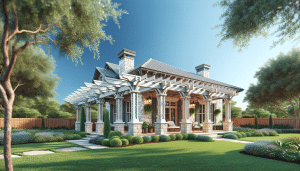
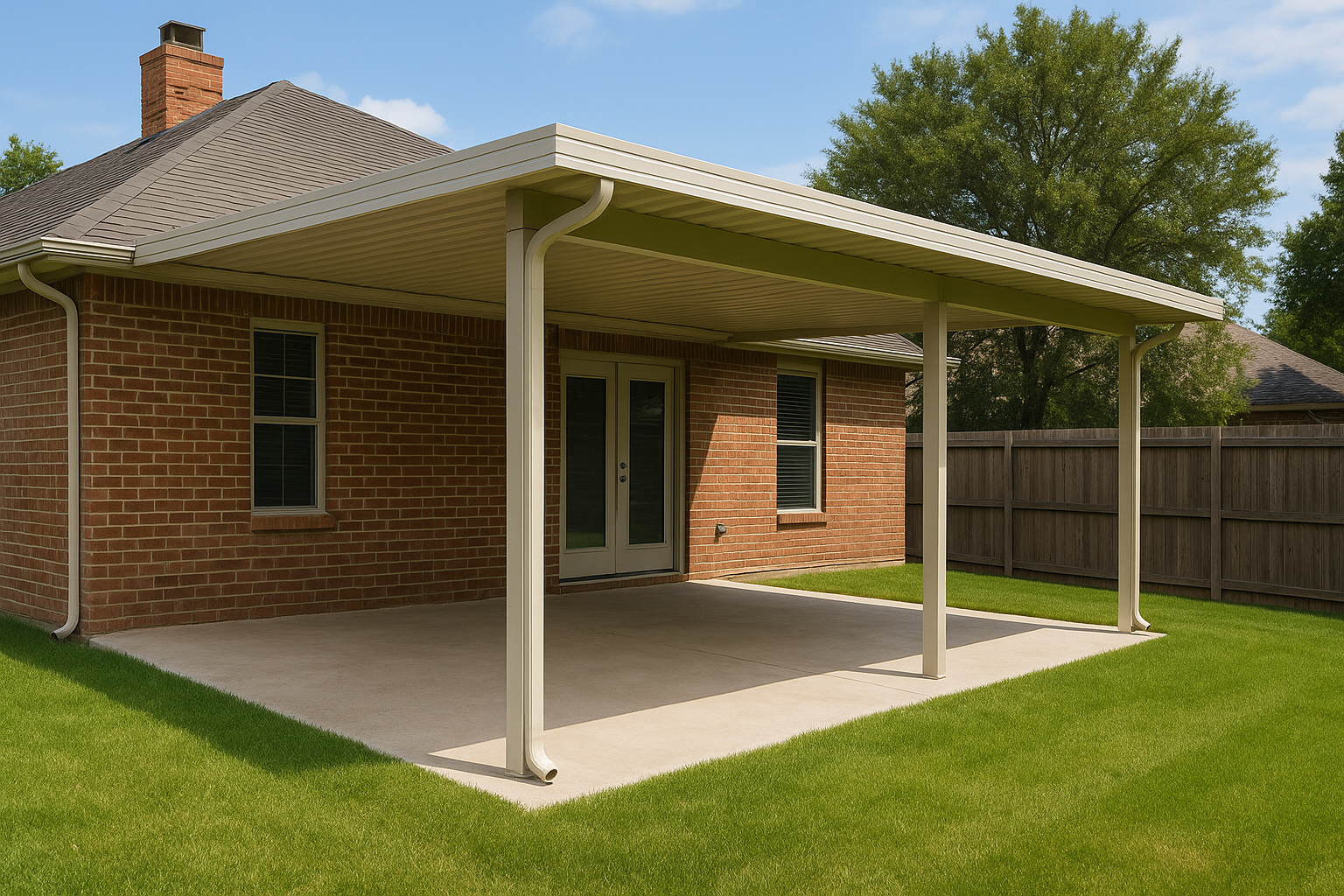
You want shade, style, and a spot that actually stays comfortable in August. A well‑built patio cover does all three—and it adds value when it looks like it’s always been part of your home. Here’s what DFW homeowners should know before saying yes to construction.
Contents
- 1 Patio Covers 101: what counts (especially here in North Texas)
- 2 Types of patio covers (plain talk, quick guide)
- 3 Materials that survive Texas weather
- 4 Design that looks like it belongs
- 5 Permits, HOA, and code: the no‑surprise zone
- 6 Size it right: shade, drainage, and furniture flow
- 7 What will it cost in Dallas‑Fort Worth?
- 8 Add‑ons that make it feel finished
- 9 How long does installation take?
- 10 Maintenance: simple rhythms that keep it sharp
- 11 Common mistakes we’re called to fix
- 12 Why Dallas Pergola Company?
- 13 Ready for real shade and a backyard you’ll actually use?
Patio Covers 101: what counts (especially here in North Texas)
A patio cover is any overhead structure that creates shade and shields your outdoor space from sun and rain. Around Dallas‑Fort Worth, that can mean a solid roof that ties into your house, a lattice or Pergola that filters sun, or a louvered system that adjusts with the weather. Different needs, different solutions.
Why it matters in DFW: we get strong UV, sideways rain, wild wind, the occasional hailstorm, and long stretches of heat. A cover that handles all that will feel cooler, last longer, and protect your furniture—so you’ll use the space more than a few weekends a year. You know what? That’s the real goal: a backyard you’ll actually live in.
Who it’s for:
- Entertainers. Shade for guests, wiring for speakers and lights, and a fan or two.
- Families. Safer, softer ground temps, less glare, and a dry spot for toys.
- Work‑from‑patio folks. Glare control, Wi‑Fi that doesn’t drop, and a quiet breeze.
- Anyone sick of frying on hot concrete. That’s basically all of us by July.
And yes, a quality cover typically boosts curb appeal and appraised value—especially when it’s permitted, engineered, and matched to your home.
Types of patio covers (plain talk, quick guide)
There’s more than one correct answer. It’s about function, budget, and style.
- Solid roof covers. Full shade and rain protection. Great for fans, recessed lighting, heaters, and TVs. Think shingles or metal to match the house. Strong in storms.
- Lattice or pergola. Classic look, filtered light, climbing vines if you like that Hill Country vibe. Cedar is popular around here. Add polycarbonate panels if you want some rain protection without losing light.
- Adjustable louvered roofs. Motorized slats tilt open or closed for shade or ventilation. Premium price, premium control. Handy for those surprise summer showers.
- Insulated patio covers. Structural insulated panels (SIPs) with a finished ceiling. Cooler underneath and quieter in the rain.
- Retractable Awnings. Budget‑friendly for smaller spaces. Not as storm‑tough, but handy for quick shade on a tight footprint.
If you’re unsure, let me explain: pick the cover based on how you’ll use the space at 5 p.m. in August and 8 a.m. on a rainy Saturday. That usually makes the choice obvious.
Materials that survive Texas weather
Here’s a simple comparison to help you weigh looks, upkeep, and lifespan for patio covers Dallas homeowners rely on.
| Material | Pros | Watch‑outs |
|---|---|---|
| Cedar (wood) | Warm look, stains beautifully, great for cedar pergola Styles | Needs sealing; 2–4 year maintenance cycle; can weather to gray |
| Aluminum | Low maintenance, won’t rot, color‑fast finishes | Can feel “cool” visually; cheap systems may dent or rattle |
| Steel | Very strong for long spans, modern look | Heavier; needs good coatings to fight corrosion |
| Vinyl/PVC | Easy to clean, budget friendly | Can warp in high heat; limited high‑end appearance |
| Composite | Wood look with less upkeep | Premium cost; color options vary by brand |
One more note: powder‑coated aluminum and properly sealed cedar both do well in DFW if installed right. The trick is the details—fasteners, flashing, and drainage.
Design that looks like it belongs
A patio cover should read as part of your home—not an afterthought. We pay attention to:
- Rooflines and pitch. Match your home’s slopes where possible. Keep water moving.
- Columns and posts. Craftsman, modern, or rustic—this choice sets the tone.
- Ceiling finishes. Tongue‑and‑groove cedar, beadboard, or clean aluminum pans. Each has a mood.
- Shade percentage. Lattice spacing changes how hot it feels by mid‑afternoon.
- Color. In DFW, soft whites, bronze/black metals, and cedar stains stay timeless.
Here’s the thing: tying into existing fascia, brick, or siding has to be done carefully. Proper flashing prevents leaks, and beam sizing prevents sag. Looks matter, but structure comes first.
Permits, HOA, and code: the no‑surprise zone
Different cities around the Metroplex have different rules. Dallas, Fort Worth, Arlington, Frisco, Plano—each permits patio covers slightly differently. Most require:
- Site plan and drawings. Show setbacks and where the posts land.
- Engineering. Beam and post sizing for wind uplift; footing depth for our clay soils.
- Electrical permits for fans, lighting, or heaters.
- HOA approval when applicable (Colors, height, and style often reviewed).
We handle the paperwork for DFW patio cover installation projects, but timelines can vary a bit by city and HOA. Better to build right than rush and redo.
Small tip: take a yard photo at noon and again at 5 p.m. We use those to plan shade and confirm setbacks.
Size it right: shade, drainage, and furniture flow
The right size feels obvious when you walk under it. A few rules of thumb:
- Depth. 10–14 feet covers a standard dining set. Go 14–18 feet if you’re adding a lounge zone.
- Post placement. Keep corner posts back from furniture edges so chairs don’t kiss posts.
- Beam spans. Longer spans mean beefier beams (or steel). Looks cleaner, costs a bit more.
- Slope and gutters. Even solid roofs need a pitch and well‑placed downspouts. We don’t want water dumping on your grill—or your neighbor’s fence.
Dallas gets some dramatic downpours. Good drainage keeps the patio dry and keeps your slab from getting that “always damp” stripe at the edge.
What will it cost in Dallas‑Fort Worth?
Every yard, roofline, and HOA is different, but ballpark ranges help. These are typical for a quality patio cover contractor project in our area:
- Cedar pergola (medium size). $6,500–$12,000 depending on size, stain, and details.
- Aluminum lattice or solid cover. $8,000–$16,000 for a sturdy, low‑maintenance setup.
- Shingle‑tied solid roof with lighting/fans. $15,000–$35,000+ based on spans, finishes, and electrical.
- Adjustable louvered roof. $22,000–$45,000+ depending on footprint and automation.
Could you find cheaper? Sure. But watch the specs: light‑gauge metals, undersized footings, or no permits often turn “savings” into repairs. We build for Texas storms and Texas summers—because they always show up.
Add‑ons that make it feel finished
The little things make it better from day one.
- Ceiling fans. Quiet, damp‑rated, and sized to the space (56–72 inches is common).
- Lighting. Dimmable LEDs, sconces by the posts, or step lights on stairs.
- Electrical. Plenty of outlets (GFCI), a TV box, and switching that makes sense.
- Heaters or misters. Infrared heaters for shoulder season; misters for August afternoons.
- Privacy and screens. Side panels or Motorized Screens for sun and bug control.
- Outdoor kitchen tie‑ins. Gas lines, vent hoods, and non‑combustible clearances.
One small digression: if you plan a TV, think about afternoon glare and where the sun sets behind your neighbor’s roof. A slight angle change now saves headaches later.
How long does installation take?
From first hello to first cookout:
- Consultation and design. 1–2 visits (or a virtual), plus a 3D or plan set. A few days.
- Proposal and revisions. Quick turn once we lock scope and finishes.
- HOA and permits. 1–4 weeks depending on city and board schedules.
- Fabrication. Ordering materials and any custom metal or millwork. 1–2 weeks.
- Build. Most DFW patio cover installation projects take 2–6 days on site, more for complex tie‑ins or louvered systems.
- Final inspection and walkthrough. Then it’s yours.
Timing flexes with weather and permitting queues, but we keep you posted. No ghosting, no mystery gaps.
Maintenance: simple rhythms that keep it sharp
- Cedar. Rinse dust, re‑seal or re‑stain every 2–4 years depending on sun exposure.
- Aluminum or steel. Soap, water, soft brush. Check caulk and touch up scratches.
- Gutters and downspouts. Clear them every season—especially after those spring oak tassels.
- Hardware. Give fasteners a quick look yearly. Tighten if needed.
If you’re not into maintenance, we’ll guide you to finishes and materials that stay low‑key. Honestly, most homeowners want to enjoy the space, not baby it.
Common mistakes we’re called to fix
- Undersized beams that sag over time.
- Improper flashing where a cover meets the house—leads to leaks.
- Flat roofs with no pitch and no plan for water.
- Posts without real footings. They shift in our expansive clay soils.
- Random electrical. No GFCI, no proper boxes, or wires where they shouldn’t be.
We design around these from the start—saves money, saves headaches.
Why Dallas Pergola Company?
We’re local, and we build for our climate. That means:
- Engineered structures. Sized for wind uplift and long spans that look clean.
- Permitting and HOA handled. So your project stays legit and appraiser‑friendly.
- Material fluency. Cedar that’s kiln‑dried and sealed right; powder‑coated aluminum that won’t chalk in two summers.
- Design sense. We make new work blend with old brick, siding, and rooflines.
- Neighbors call us back. Much of our work comes from referrals across Frisco, McKinney, Plano, Dallas, Fort Worth, and everywhere between.
We build everything from simple pergola Dallas projects to modern aluminum patio covers and fully wired outdoor rooms. Different budgets, same care.
Ready for real shade and a backyard you’ll actually use?
Let’s sketch a few ideas and price them clearly. Quick call, quick plan, no pressure. If you’re in the Metroplex and you want a cover that looks like it came with the house—and lasts—reach out to Dallas Pergola Company.
- Call us: 214-624-7083
- Request a Free Quote
We’re ready when you are.