
North Texas sun is no joke. If you’ve ever watched the 3 p.m. glare march across your living room—or tried to enjoy a July cookout without melting—you’ve felt it. The future of home comfort in DFW is clear: smarter, better-looking residential shading that keeps heat out, lets light in, and actually makes daily life easier.
## Why shade is the new AC sidekick
Cooling a home isn’t only about the air conditioner; it’s about blocking heat before it even reaches your glass. Exterior shade can stop a surprising amount of heat—studies show that well-placed shading can reduce solar gain by 45% to 77% compared with bare windows. That means your AC runs less, your home stays calmer, and yes, your wallet breathes a little.
But it’s not just numbers on a bill. Thoughtful shade softens glare during the Cowboys game, protects floors from fading, and takes the edge off patio concrete that’s been baking since lunch. Shade structures aren’t magic. Then again, the right system can feel like it.
– Comfort that lasts: Fewer hot spots, more even temps, and cooler surfaces you can actually touch.
– Real protection: Strong UV protection for furniture, rugs, and artwork.
– Lower bills: Less heat in means fewer BTUs your AC must fight out.
For DFW homes facing west or southwest, smart shading can be the difference between “we never sit there” and “favorite spot in the house.”
## What’s new in residential shading? A quick tour
The shading market has changed fast. Instead of a simple umbrella or static Pergola, homeowners now pair control, Materials, and design—so the patio works like a living room. Here’s what’s catching on across Dallas-Ft Worth.
– Motorized pergolas with adjustable louvers: Tilt blades to track the sun, shed rain, or open for stargazing. This is the modern louvered roof.
– Retractable screens: Side-by-side with pergolas or patios, these tame wind, bugs, and glare—great during oak pollen season.
– Solar-powered motors: Clean installs, fewer wires, and backup power during outages.
– Heat-reflective fabrics: Higher reflectance means cooler interiors without a cave-like feel.
– Smart sensors: Sun, wind, and rain sensors that move the shade for you. Set it and forget it.
A quick look at common systems:
| System | Shade Control | Ideal For |
|—|—|—|
| Motorized pergola | Louver tilt; app/voice; rain sensors | Year-round patios; outdoor kitchens |
| Retractable awning | Extend/retract; wind sensor | Decks and small yards |
| Exterior zip screen | Up/down; sun automation | Glare control; privacy; bug defense |
You know what? Most homes end up with a combo—say a motorized pergola plus a west-facing screen—because Texas sun changes by the hour.
## Smart, connected, and kind of fun
Here’s the thing: once your shade listens to you, you won’t want to go back. Systems today pair with Somfy TaHoma, Lutron Caséta, Bond Bridge, Google Home, Alexa, and Apple Home. Tap a button, say a phrase, or let schedules do the work.
– Voice + app: “Hey Google, close the patio louvers.” Done before your coffee cools.
– Automation: At 3:15 p.m., the sun hits the family room? Screens drop to 60% and glare disappears.
– Weather aware: Wind gusts? Louvers shift to a safer angle. Rain detected? Pergola closes and channels water into hidden gutters.
– Scenes: Movie time dims the patio lights, closes the screens, and sets fans to low.
A little digression—parents love this. During homework hour, keep light bright but soft. During game night, cut glare on the TV without flipping the room dark. It’s comfort that adapts to you, not the other way around.
## Materials that stand up to Texas
Dallas-Ft Worth throws everything at your backyard: hail, gusty spring storms, summer scorch, and the occasional dusting of ice. Materials matter. We design for real weather, not just catalog photos.
– Extruded aluminum frames: Rigid, rust-proof, powder-coated for long life.
– Stainless hardware: Less corrosion, tighter connections over time.
– Hidden drainage: Louvers shed rain into internal gutters; water exits at posts.
– Wind ratings: Systems engineered for local gust loads keep you covered.
How do popular materials compare?
| Material | Typical Lifespan | Maintenance Needs |
|—|—|—|
| Extruded aluminum | 25+ years | Hose rinse; occasional hinge lube |
| Pressure-treated wood | 10–15 years | Stain/seal every 2–3 years |
| Vinyl | 15–20 years | Wash; limited structural upgrades |
Honestly, wood is warm and classic, but for DFW storms and heat, aluminum wins on strength and low upkeep. It also pairs well with motorization—and looks crisp against Texas brick and stone.
## Energy talk without the headache
Let me explain the quick metrics that matter:
– SHGC (Solar Heat Gain Coefficient): Lower numbers mean less heat sneaks through. Exterior shading slashes SHGC before glass absorbs it.
– U-factor: Insulation level of windows/doors. Shading works with, not against, your existing glass.
– Visible light: You still want daylight—good shading balances light with heat control.
A simple DFW example: a west-facing 12×8 window wall can bring in thousands of BTUs on a summer afternoon. With Patio Covers Dallas homeowners reduce that spike before the AC even hears about it.
Savings snapshot (illustrative, not a guarantee):
– Exterior screen: 10–25% cooling load reduction on sun-heavy rooms.
– Louvered pergola over glass doors: 15–35% less afternoon load.
– Whole-patio shade + light roofing: Better comfort outdoors, steadier temps indoors.
Add ceiling fans, LED strip lighting, and you’ll use the space longer without cranking the system. Shade first. Condition less.
## Design still matters (a lot)
Performance gets the headlines, but design makes you smile every day. We build shade that looks like it was meant for your home.
– Colors that fit: Bronze with Austin stone, black with modern stucco, or soft white with traditional brick.
– Integrated lighting: Warm LEDs tucked in the beams; dimmable for late dinners.
– Fans and heaters: Summer breeze on low; discreet heaters for crisp fall nights.
– Privacy and views: Screens that blur neighbors without losing your sunset.
– Gutters you don’t see: Water where you want it, not splashing on the patio.
One more thing—we mind proportions. Beam depth, post spacing, and louver width change how a structure feels. Too chunky looks heavy; too skinny can feel flimsy. We balance both, so the space looks right from the street and from your favorite chair.
## What it means for your DFW home
Different homes need different shade strategies. A few common setups we see across Collin, Dallas, Tarrant, and Denton counties:
– New builds: Match rooflines, tie into stonework, run power invisibly, and add shade solutions DFW that look original.
– Retrofits: Independent footings protect foundations and avoid messy tie-ins when they’re not ideal.
– Townhomes and tight lots: Slim posts, wall-mounted Awnings, and screens that stand off just enough.
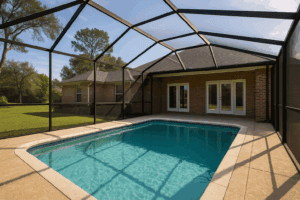
– Poolside: Quick-dry surfaces; louvers that tilt to keep splash glare down.
– Pollen and mosquitoes: Zip screens control both—spring feels shorter and better.
We also work with HOAs, navigate permitting, and respect set-backs. The result? A smoother path from idea to iced tea under new shade.
## How Dallas Pergola Company makes it easy
We keep the process simple—clear steps, clear timelines.
– 1. Conversation: Talk goals, sun angles, and budget. We’ll suggest what fits, not just what’s fancy.
– 2. Shade mapping: Check sun paths, wind, and rain patterns on your lot.
– 3. Design & 3D render: See it before we build it; tweak colors, lighting, and screens.
– 4. Permits & scheduling: We handle the paperwork and keep you posted.
– 5. Build & walkthrough: Clean site, tight finishes, and a test drive of your system.
– 6. Support: Motor adjustments, seasonal tips, and a friendly phone number that answers.
We install year-round. Spring books up fast, so planning in winter or late summer often means quicker timelines.
## Cost snapshots you can actually use
Every project is unique, but ballparks help. Here’s a quick, realistic view (hardware, finishes, and site work affect totals).
| Tier | Typical Project | Ballpark Range |
|—|—|—|
| Good | Fixed aluminum pergola, fan, basic lighting | $7k–$12k |
| Better | Motorized louvered roof, integrated LEDs, rain sensor | $14k–$25k |
| Best | Motorized pergola + 1–2 exterior zip screens, smart controls | $22k–$40k+ |
Add-ons to consider:
– Audio (weather-rated): Clean sound without dragging speakers in and out.
– Heaters: Extend patio season through December.
– Custom columns: Brick or stone wraps to match your home.
No surprises is the goal. We price with clarity and walk you through choices before a shovel touches soil.
## Quick FAQ: lightning round
– Do motorized pergolas leak? Louvers close and channel water into internal gutters. Heavy storms? You’ll stay dry under normal winds; sideways rain is still, well, sideways.
– Are they noisy? Quality motors are quiet—more soft hum than grind. You’ll hear your fan before your louvers.
– Maintenance? Rinse dust, clear gutters, and lube moving parts as needed. We offer seasonal checkups.
– Permits? Many cities around DFW require them. We handle drawings and submissions.
– Warranty? Varies by brand and component; motors and finishes carry multi-year coverage. We’ll spell it out in writing.
– Can I add a screen later? Yes—many frames are screen-ready, which helps spread cost over time.
Shade structures aren’t a cure-all for summer. But paired with fans and smart screens, they change how your home lives—inside and out.
## Ready to relax in the shade?
If you’re thinking about a pergola Dallas neighbors will envy—or a subtle system that just makes afternoons nicer—let’s talk. Dallas Pergola Company designs and installs patio covers Dallas homeowners trust for comfort, style, and long life. Call 214-624-7083 or Request a Free Quote, and we’ll help you plan a cooler, calmer home you’ll use every single day.