If you’re thinking about a Pergola for your backyard, you’re already picturing sunny weekends, a cool drink, and a bit of shade that makes the Texas sun feel friendly again. But here’s the snag: aluminum or wood? In Dallas–Fort Worth, that choice matters more than most folks realize.
## So… aluminum or wood? The quick take for DFW homeowners
Let me explain. Both Materials can look fantastic, add value, and make your patio feel finished. But the North Texas climate—triple-digit heat, strong wind gusts, the occasional hailstorm, and allergy season that seems to linger—has a way of separating what’s pretty from what’s practical.
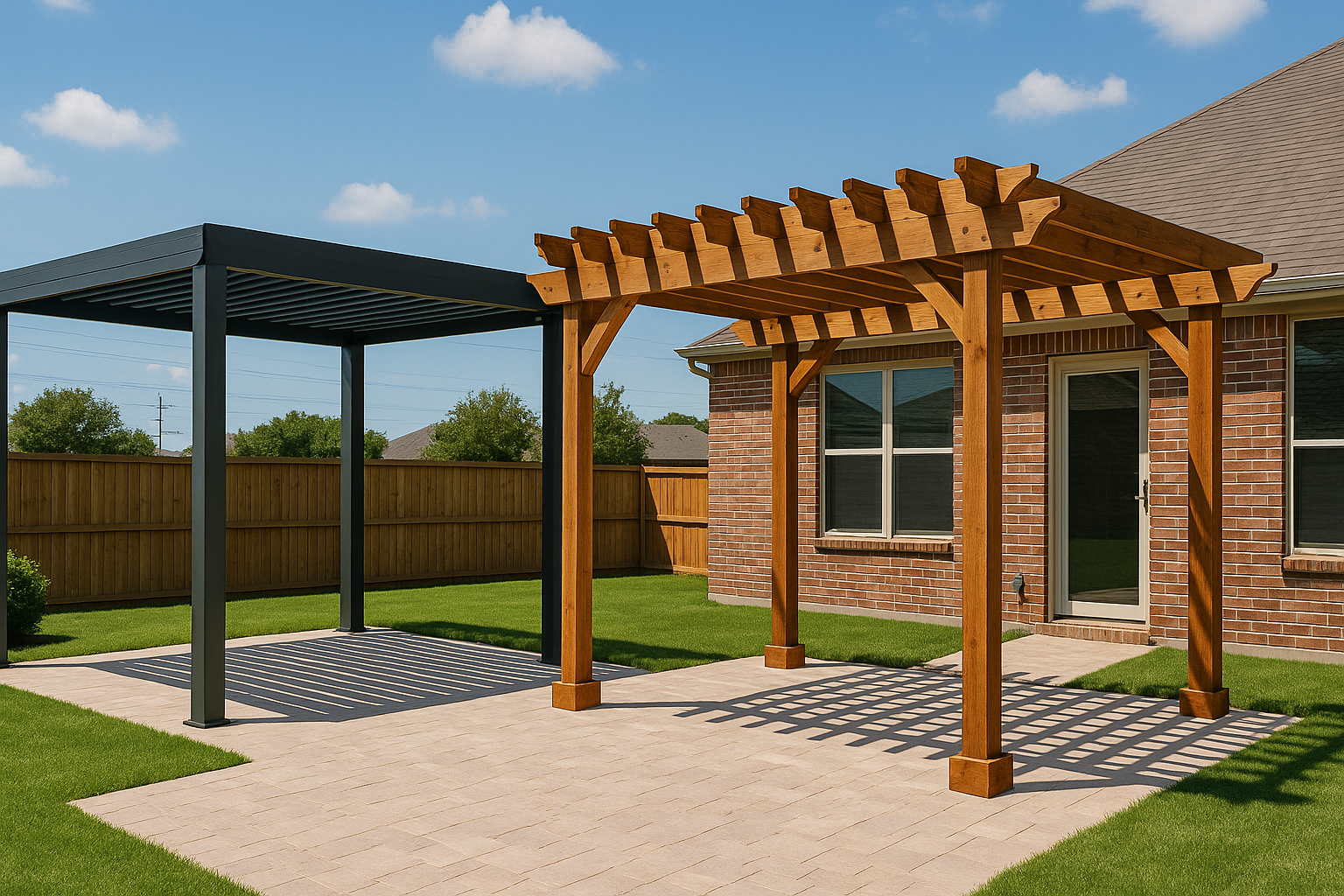
– Aluminum pergolas bring a modern, low-maintenance, all-weather attitude. Think clean lines, powder-coated color that doesn’t flake, and the option for motorized louvers you can adjust with your phone.
– Wood pergolas deliver that warm, classic vibe—cedar grain, a natural scent, and the timeless look many of us imagine when we say “pergola.”
Which one’s right? It depends on your home’s style, your maintenance threshold, and how you plan to use the space from July through, well, the next July.
## Looks and feel: a warm grain or clean lines?
You know what? Style is personal. If your home leans modern—the townhomes popping up in the Medical District, a sleek remodel in Preston Hollow—an aluminum pergola Dallas homeowners love often blends right in. The finish is crisp, the posts are squared, and the overall look is tailored.
But if you’re in an older neighborhood with mature live oaks and brick charm—Lakewood, M Streets, Benbrook—there’s a good chance cedar pergola tones will feel right at home. Wood brings texture and warmth. It catches light in a way metal never quite does.
– Finish options: Aluminum arrives powder-coated in Colors like bronze, black, or white—durable and consistent. Wood can be stained—Cedar Tone, Walnut, Natural—or painted. It ages. That patina can be lovely… unless you’d rather not think about it.
– Design flexibility: Both materials can be customized. Arches, corbels, privacy slats—wood handles carving and curves well. Aluminum thrives with sharp lines, hidden fasteners, and slim profiles that still span long distances.
Here’s the thing: no matter the canvas, we design for your house, not a catalog. That’s our lane.
## North Texas weather is no joke: how each holds up
Let’s talk real life. The DFW sun cooks surfaces. Spring storms test anchors. Humidity invites mold. And our oaks shed like they’ve got something to prove.
– Heat and UV: Powder-coated aluminum pergola beams won’t warp or crack, and they reflect heat better than you’d think. Cedar handles heat well too, but over time UV breaks down the finish; it needs refreshing.
– Moisture and rot: Aluminum doesn’t rot. Ever. Cedar is naturally rot-resistant, but not rot-proof. Keep it sealed and it’ll behave.
– Wind: Properly anchored, both are stout. Aluminum systems with engineered connections often have tested wind ratings. Wood demands beefy posts and tight joinery. Dallas code and HOA guidelines may nudge the design one way or the other.
– Hail: Hail can dent aluminum and bruise wood. Powder coat helps aluminum hide small marks; wood can be sanded and re-stained.
Small contradiction, big truth: both can last decades—and both can fail fast—if installed wrong. The build matters as much as the material.
## Maintenance and lifespan: what your weekends will look like
Be honest: do you love a good Saturday project, or would you rather flip a switch and sit down?
– Aluminum: Hose it down now and then. Wipe away pollen. That’s about it. Expect 20–30+ years with minimal fuss, especially with quality powder coat.
– Wood: Plan to clean annually and re-stain every 2–4 years, depending on sun exposure and finish. Proper care means 15–25 years is common for cedar in DFW.
A few practical notes from the field:
– Minor repairs: Wood is easy to touch up and refinish. Aluminum is hard to “patch,” but it rarely needs it.
– Pests: Termites ignore aluminum. Cedar is resistant, but vigilance never hurts.
– Color fade: Dark stains on wood fade faster; lighter stains hide aging. Aluminum color stays true far longer.
## Cost today versus cost over time
Upfront cost can lean either way depending on design, size, and features. Here’s a simple snapshot we see across Dallas–Fort Worth for comparable shade coverage and quality:
| Factor | Aluminum | Wood (Cedar) |
|—|—|—|
| Upfront cost | Medium to High | Medium |
| 10-year upkeep | Very Low | Medium to High (stain/seal) |
| Lifespan | 20–30+ years | 15–25 years |
| Resale appeal | High for modern homes | High for traditional homes |
Aluminum jumps ahead when you add a louvered pergola roof (motorized louvers that open/close). That’s a premium feature. But when you consider fewer maintenance hours and a longer finish life, the total cost can land about even over the long haul—and you gain rain coverage on demand.
Wood keeps the initial budget friendlier for classic open-top designs. You’ll invest more time or hire help for staining. Some homeowners enjoy that rhythm; some don’t. No judgment here.
## Shade, comfort, and smart add‑ons that change the game
Pergolas start with shade, but the extras make them irresistible.
– Louvered roofs: Aluminum systems like StruXure or Equinox let you angle slats for shade, close them during rain, and tie into smart home controls. Get caught by a pop-up shower in Frisco? Tap your phone. Done.
– Fans and lights: Both materials handle fans and integrated LED lighting. Aluminum often hides wiring inside posts; wood needs careful routing to stay tidy.
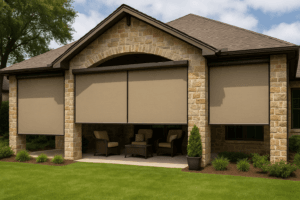
– Gutters and screens: Want rain management? Louvers can include hidden gutters. Add privacy slats or Motorized Screens for a bug-lite evening on the patio.
– Misters and heaters: We design for both. Misters for August. Heaters for those clear, crisp December nights that make Dallas feel a little like West Texas.
Honestly, if you want the most usable days per year, a motorized aluminum pergola Dallas homeowners rave about is hard to beat. If you want a breezy, dappled-light vibe, a wood pergola Dallas neighborhoods love will make your yard feel like a park.
## Structure, footings, and HOA: the unglamorous stuff that matters
Here’s the part no one brags about on Instagram, but it’s where projects succeed.
– Footings: North Texas clay swells and shrinks. We size footings and use proper piers to resist movement. No guesswork.
– Load and span: Aluminum can span long runs with slimmer profiles. Wood can span too—but it may need thicker beams or hidden steel.
– Code and HOA: Many HOAs around DFW specify materials, colors, and placement. We prepare drawings, handle submittals, and make sure your project meets Dallas, Fort Worth, or Plano requirements.
– Existing patios: Not every slab is ready for a pergola. We’ll check thickness and anchors; sometimes we add piers through the slab for a permanent, safe build.
Translation: safe, sturdy, and approved is the only way we build.
## Sustainability, allergies, and what “green” really means
Wood is renewable and beautiful. But it needs stains or sealers to last. Choose low-VOC Products and you’re in good shape. Aluminum is infinitely recyclable, and powder coating releases far fewer emissions than traditional paint. From an allergy angle, aluminum sheds pollen easier; cedar smells amazing but can hold on to dust until the next rain—nothing a rinse can’t fix.
Either path can be “green” with smart choices. We’ll talk through it.
## When wood wins—and when aluminum steals the show
Both campfires and LEDs give you light; it’s just a different kind of glow. Same with pergolas.
– Choose wood if:
– You crave warmth that ages gracefully—patina, character, and those little knots that tell a story.
– Your home is traditional and you want architectural harmony.
– You don’t mind upkeep and like the idea of re-staining for a fresh look every few years.
– Choose aluminum if:
– You want near-zero maintenance and a finish that stays true.
– You like modern lines and the option for motorized louvers, integrated lighting, and screens.
– You’re after year-round use with rain protection and quick shade control.
If you’re split, we sometimes blend it—aluminum frame with wood accents or privacy slats. Best of both worlds.
## How Dallas Pergola Company builds better
We’re locals. We know the sting of a steering wheel in August and the way a north wind can sneak under your jacket in January. Our approach reflects that.
– Site-first design: Sun studies for your yard, wind patterns by season, and the way your family actually uses the space.
– Materials that match: Premium powder-coated aluminum pergola systems, kiln-dried cedar, and hardware rated for our climate.
– Clean installs: Hidden wiring, tight joinery, and foundations that don’t budge.
– Options that matter: Motorized louvers, fans, heaters, lighting, privacy panels, and finish colors that work with your brick, siding, or stone.
– Clear communication: Design renderings, timeline you can count on, and a team that shows up when we say we will.
We build for comfort, longevity, and that easy “let’s eat outside” decision you make without thinking twice.
## Ready to compare in your own backyard?
If you’re in Dallas–Fort Worth and weighing aluminum pergolas vs. wooden pergolas, we’ll help you see it clearly—costs, care, and how it’ll look with your home. Tell us how you want to use the space, and we’ll bring a design that fits your life and the Texas weather.
Call Dallas Pergola Company at 214-624-7083. Or tap the button and Request a Free Quote. We’ll measure, sketch, and price it out—no pressure, just straight answers and a plan you’ll feel good about.